Open the full-resolution painting — 12,800 × 5,376 pixels, PNG, 83.3 MiB.
Making the painting
This painting began as a long written prompt. I described the overall image in detail, then asked an image-generation model to make the whole painting. Those first attempts gave me ideas for the layout: where the larger figures might sit, how groups could be arranged, and how the eye might move across the canvas.
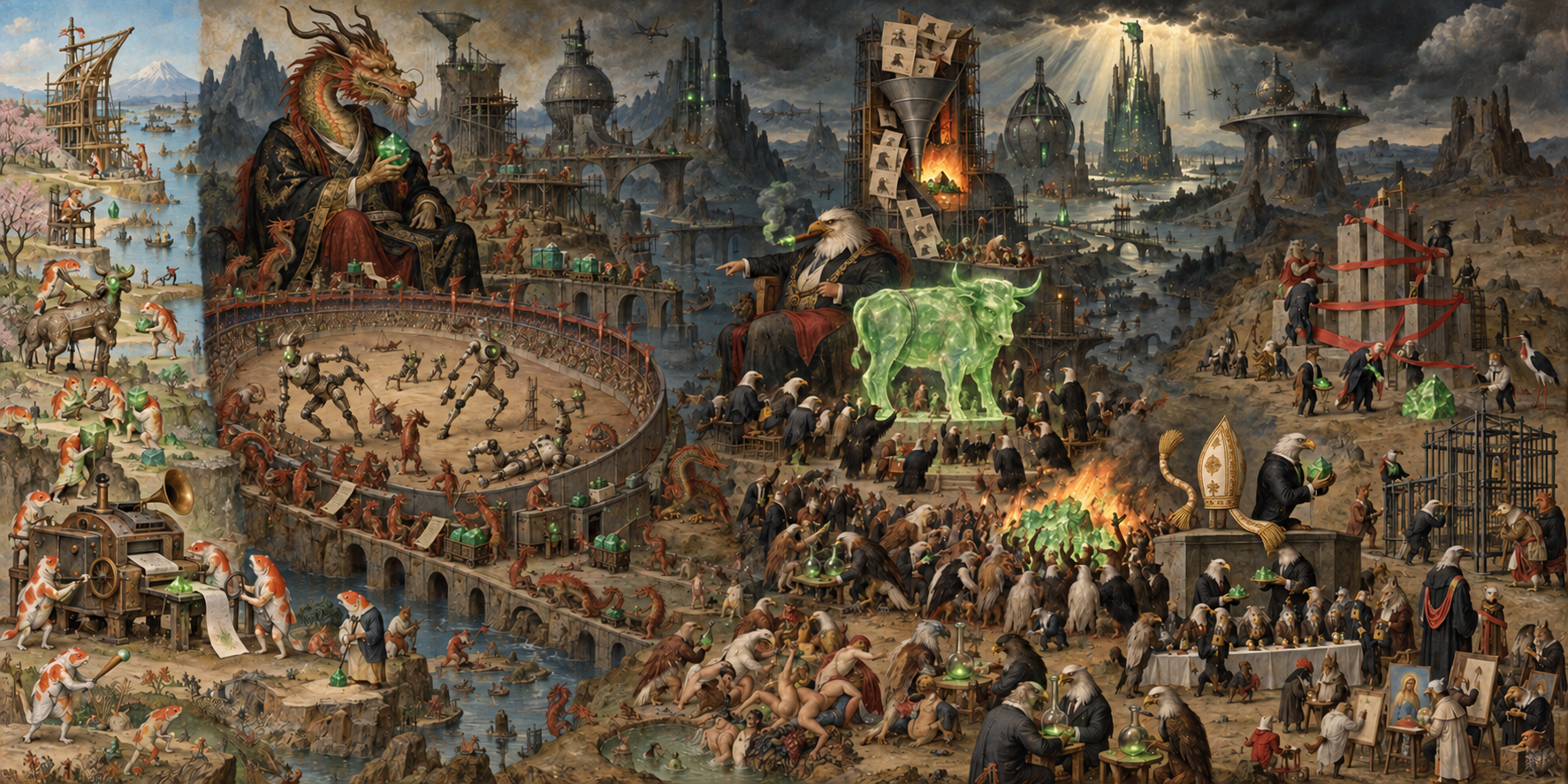
From there, the work became a series of conversations about individual figures and small scenes. I would describe an element, look at the generated image, and discuss what to change. Some needed another attempt; others were kept and edited. The process let me work on a pose, an expression, or the arrangement of a group without having to remake the entire picture each time.
Much of the later work happened in Codex, using image generation and editing alongside Python scripts for composition. The project kept separate image files for the figures and groups, together with a layout recording their positions, sizes, and drawing order. That made it possible to replace one element or move a scene while keeping the rest of the composition in place.
Separate studies
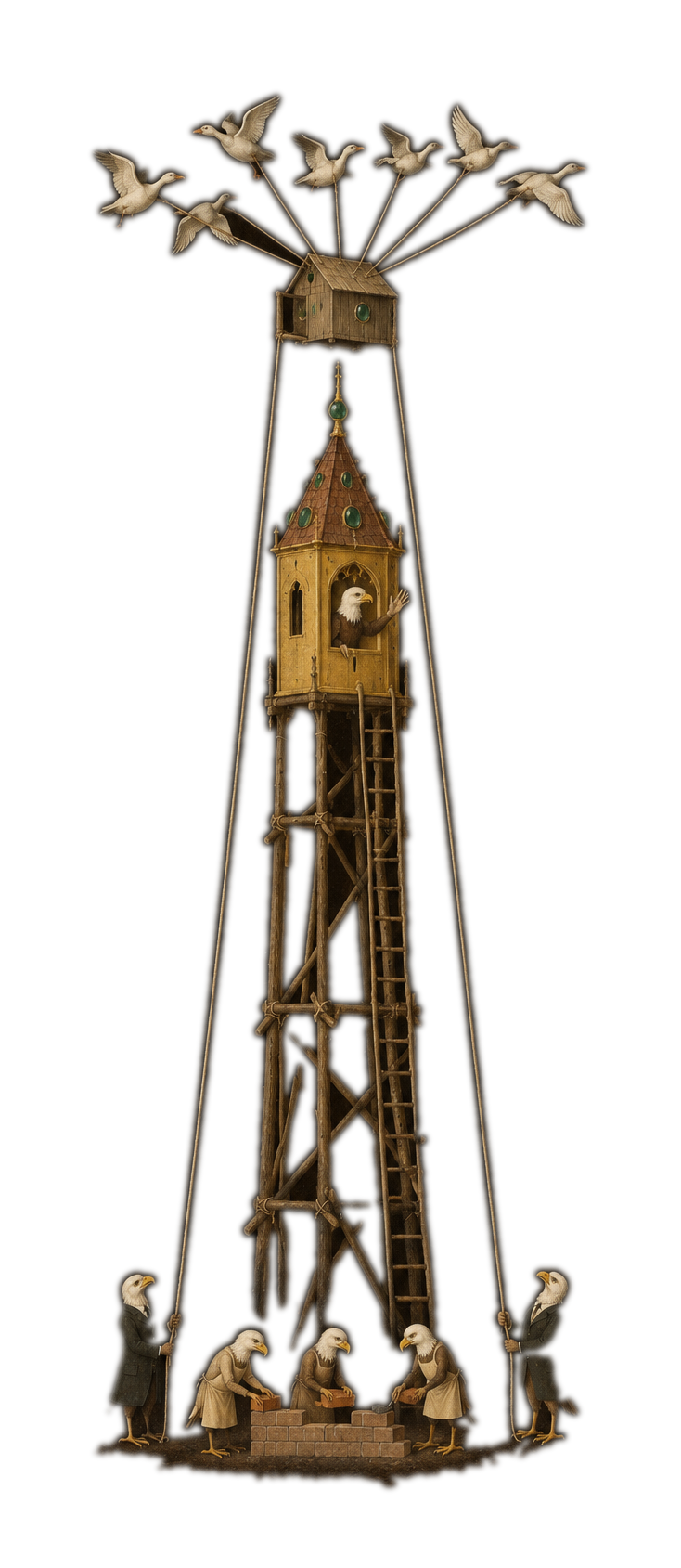
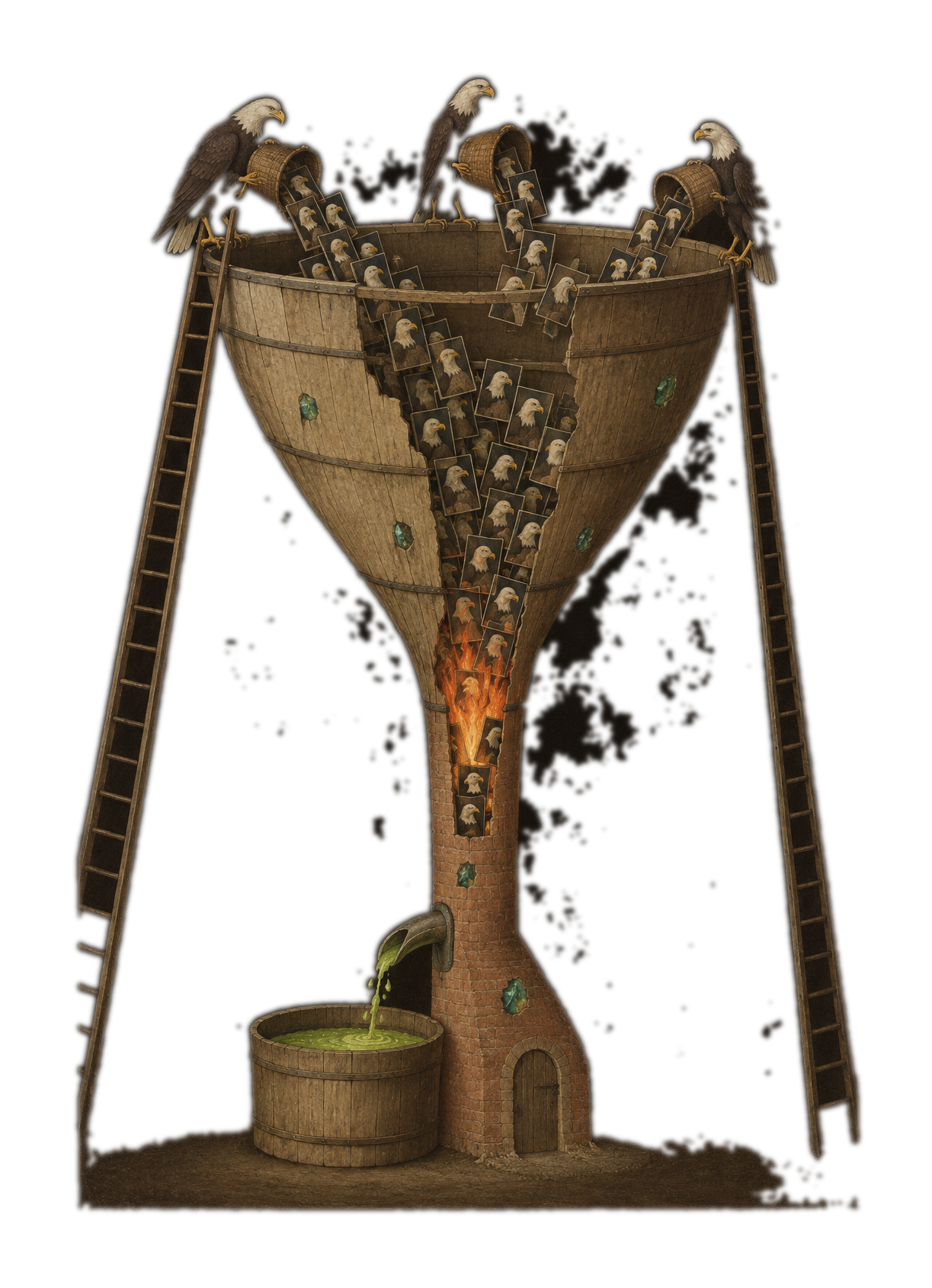
These are six of the source images used during assembly. They show the elements before the later adjustments to their surroundings and lighting. Click any study to open its original image.
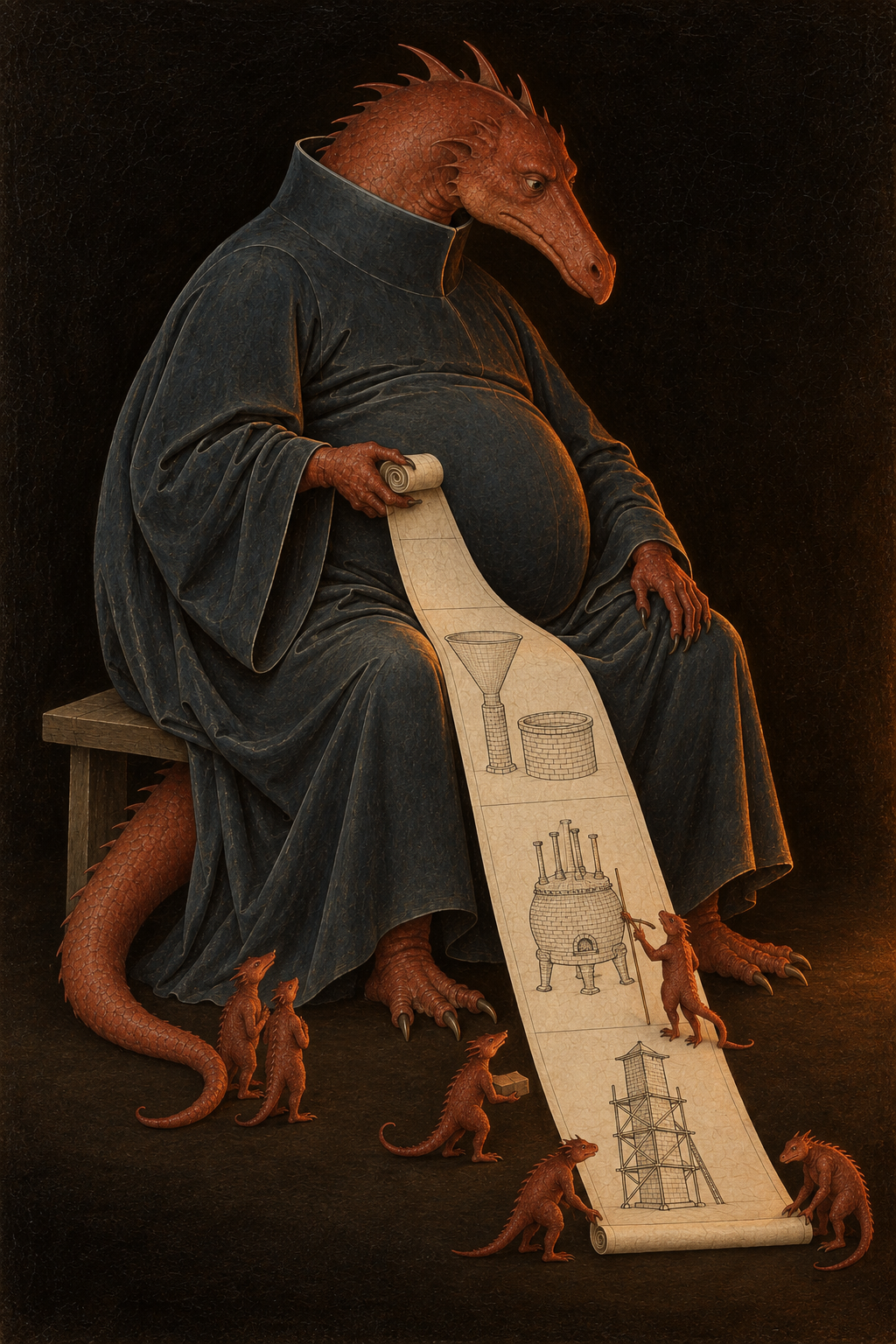
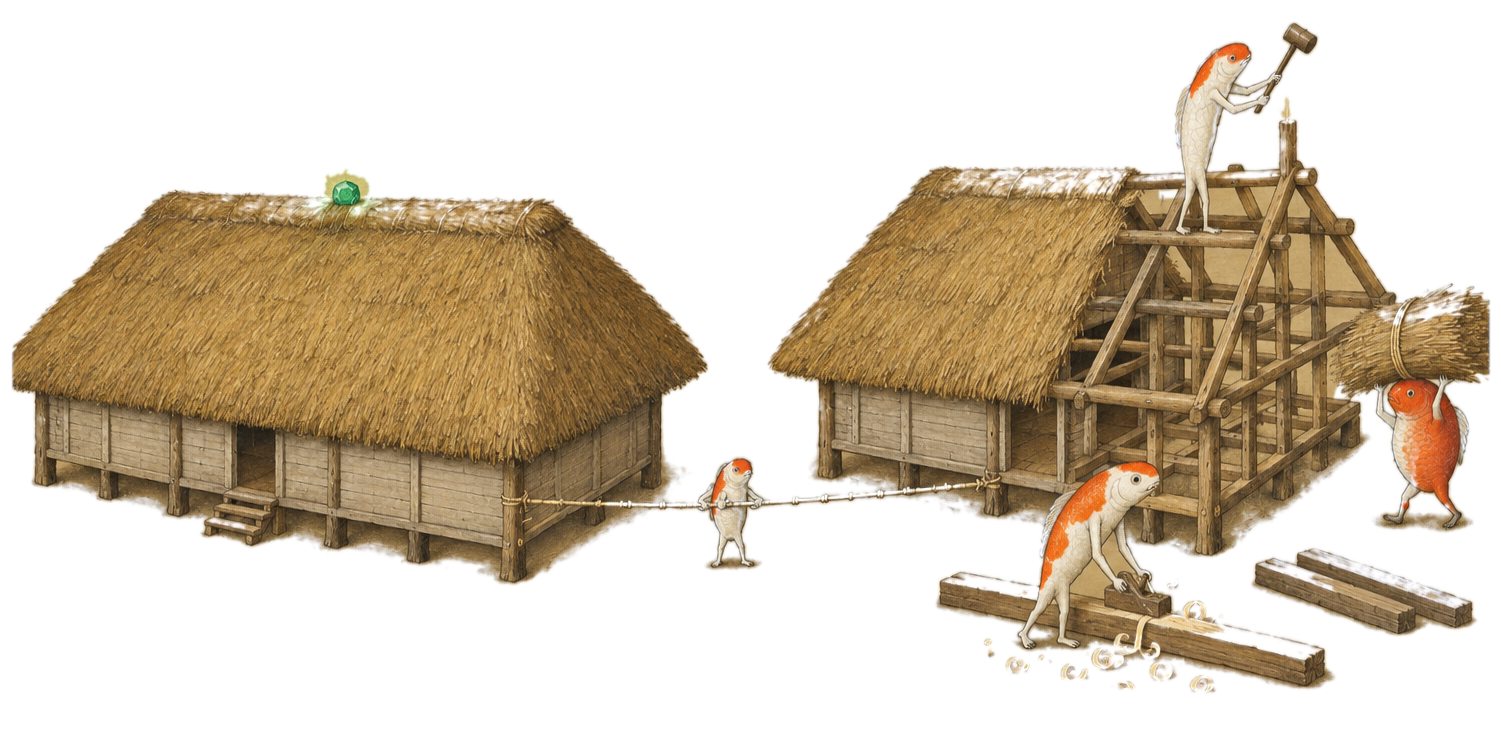
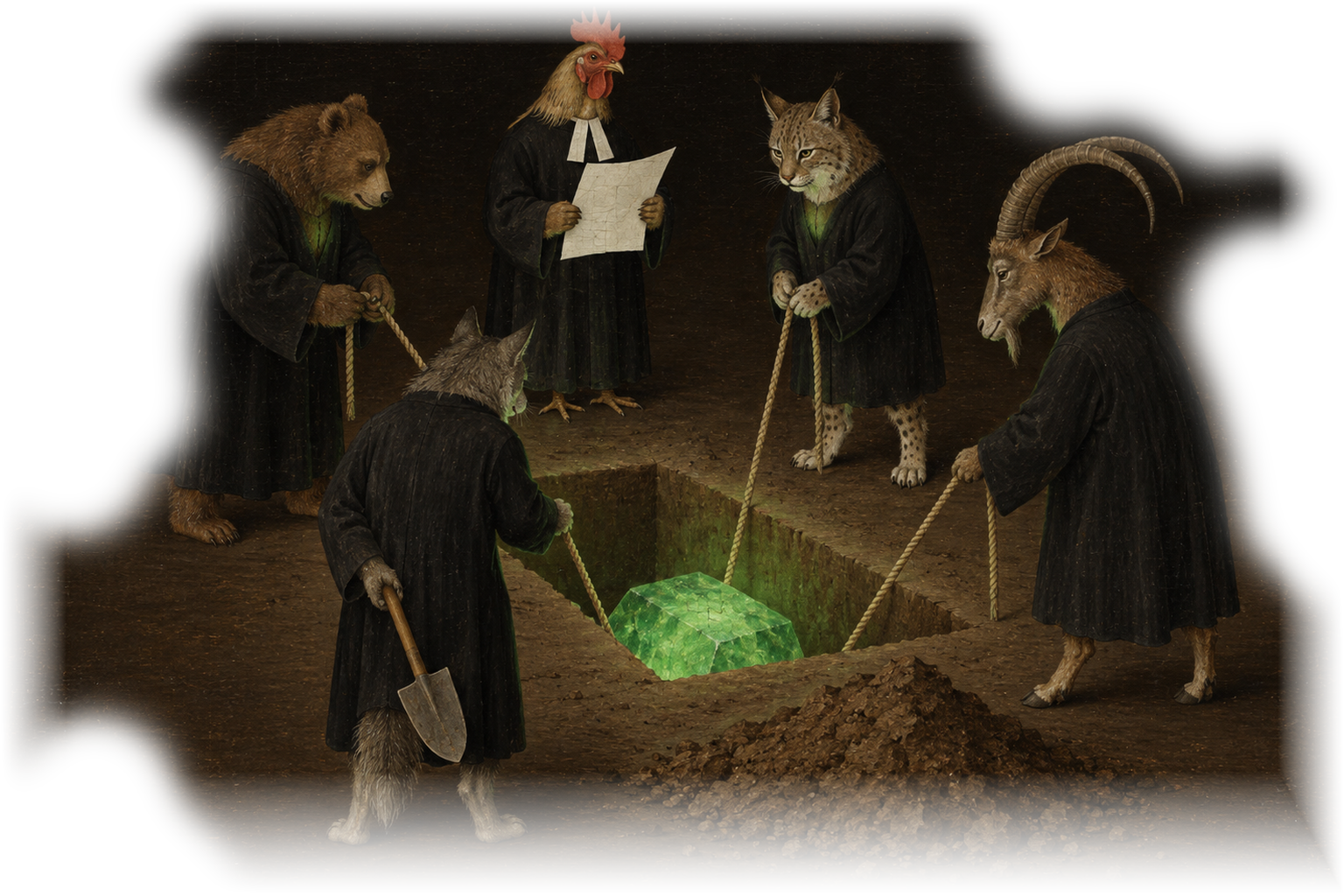
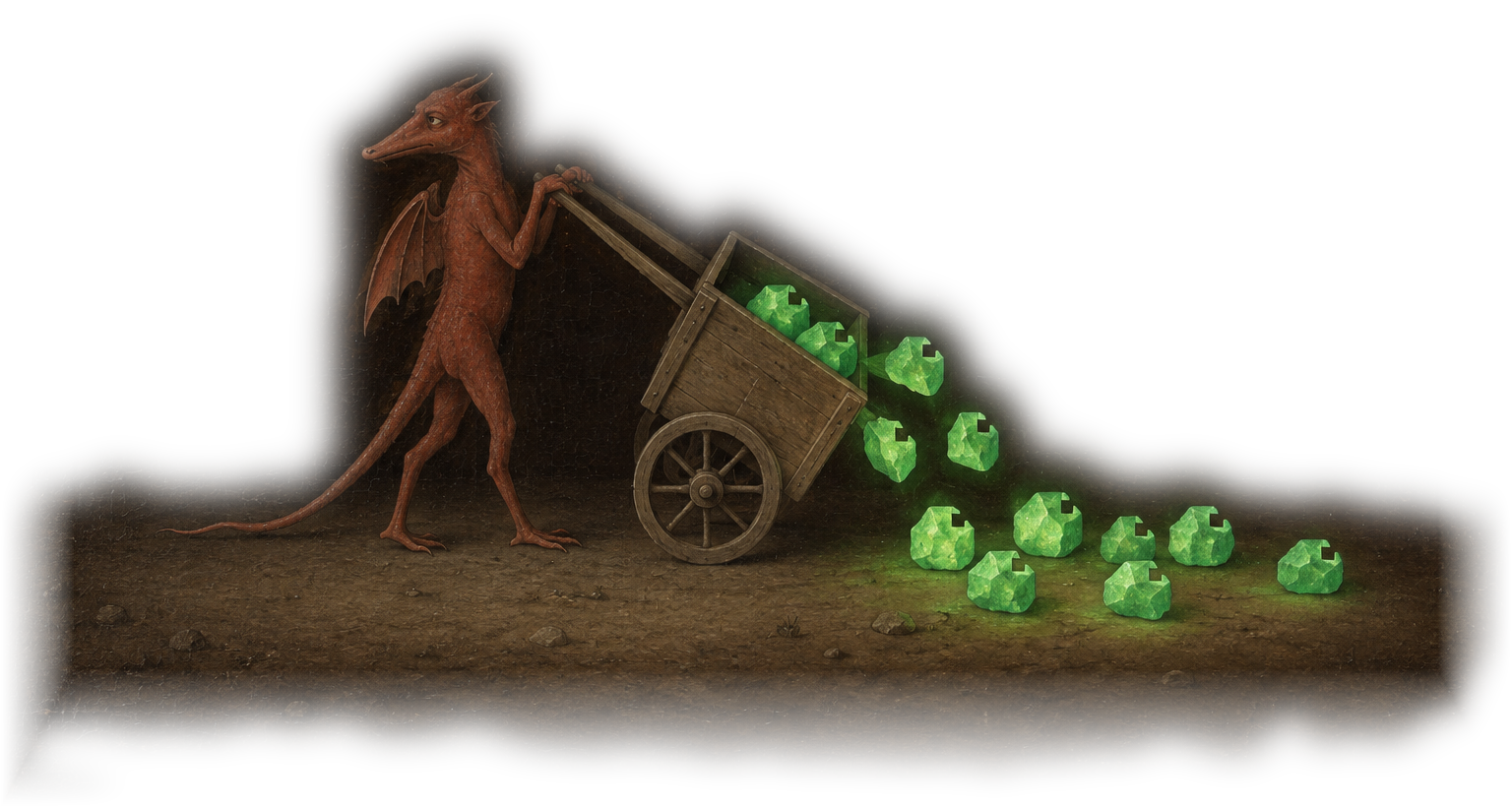
Assembling and revising
The separate images were placed onto a large canvas, then reviewed together. Scale needed several rounds of adjustment. A figure that looked clear on its own could disappear in the full composition; a group could occupy too much space or sit awkwardly beside its neighbours. Moving and resizing the elements changed the balance of the whole painting, so I kept returning to both the full view and individual details.
Assembly also brought a different set of problems. The source images had their own backgrounds and lighting. Masks separated the figures from those backgrounds, while further editing worked on the ground, water, sky, shadows, and transitions between scenes. Some corrections were made on small sections of the canvas and blended back into the larger image.
The last rounds were increasingly local: adjusting a ladder or chair, cleaning up an edge, removing a stray fragment, and making the light continuous across the scene. I saved successive versions so that changes could be compared and earlier decisions revisited. The final canvas is 12,800 pixels wide; the large file linked above preserves the details that are hard to see in the page preview.